
Dispelling Solar Myths

How Solar Thrives in the Pacific Northwest

SAVE UP TO
1%

USING FEDERAL TAX CREDIT

RECEIVE UP TO
$1

IN REBATES AND INCENTIVES

AS LOW AS
$5,000

UP FRONT COSTS

ACHIEVE UP TO
0%

HOME ENERGY INDEPENDENCE

Solar Performance in Oregon’s Climate

When most people picture solar power, they imagine endless sunshine in deserts or tropical climates. For Oregonians, this often leads to a common misconception: “Solar won’t work here because of the weather.” While it’s true that Oregon has its share of rainy days, this myth couldn’t be further from reality. In fact, Oregon’s climate is ideal for solar energy in many ways—and when combined with programs like net metering and protections against rising utility costs, it becomes an even smarter investment for homeowners.

Let’s bust some of the most common myths about solar in Oregon and explore how going solar can save you money and protect you from unpredictable energy costs.
Myth #1: Oregon’s Cloudy Climate Isn’t Suitable for Solar

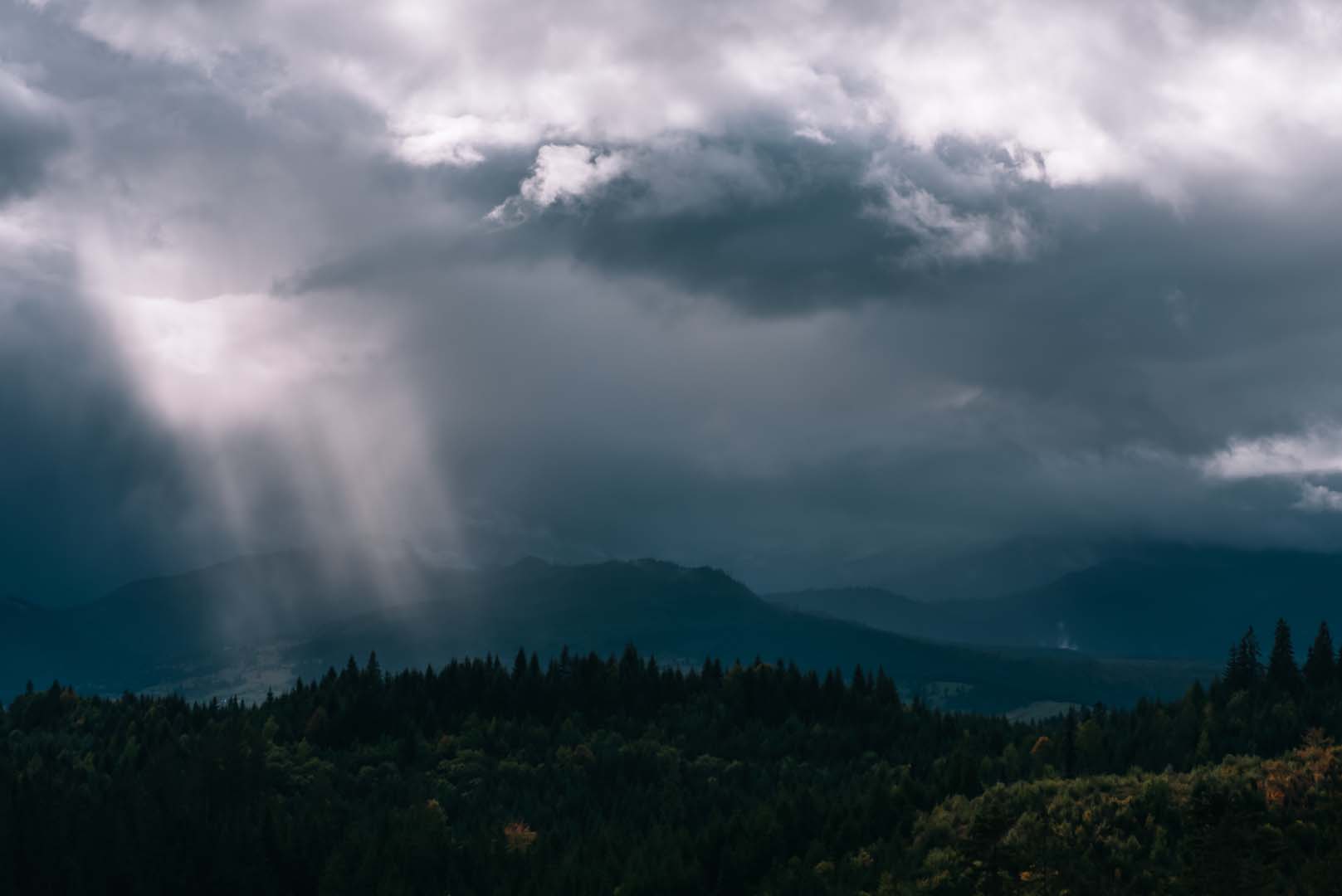
A persistent misconception is that solar energy requires uninterrupted sunshine to work effectively. While Oregon does have its fair share of overcast skies, solar panels don’t rely on direct sunlight to generate electricity. In fact, they are designed to capture diffused sunlight, allowing them to produce energy even on cloudy or rainy days. Advanced solar technology ensures that panels can harness light efficiently regardless of the weather.

To illustrate this point, consider Germany—a global leader in solar energy adoption. Germany has a climate similar to Oregon’s, with frequent cloudy days and less annual sunlight than many parts of the U.S. Yet, it consistently ranks among the top solar-producing countries in the world. Oregon homeowners can take comfort in knowing their systems will operate effectively year-round, proving that clouds are no obstacle to clean energy.

Myth #2: More Sun Equals Better Solar Performance

It’s easy to assume that scorching, sunny climates are the best for solar energy. However, extreme heat can actually reduce the efficiency of solar panels. Solar cells work most effectively at cooler temperatures, and excessive heat can decrease their ability to convert sunlight into electricity. Oregon’s moderate climate helps panels operate at peak performance without overheating.

Furthermore, Oregon’s seasonal balance provides ample energy production during sunnier months, with surplus energy often stored or credited through net metering. This means that while the Pacific Northwest might not feel like a “solar hotspot,” the region’s temperate weather actually supports steady, reliable energy generation. Solar in Oregon is about consistency, not extremes—and that’s a good thing.

Myth #3: Solar Isn’t Reliable in Winter

Another common myth is that solar energy becomes useless during Oregon’s darker, colder winters. While it’s true that days are shorter and sunlight is less intense during the winter months, solar panels are surprisingly efficient in low-light conditions. In fact, cold weather can improve their efficiency since cooler temperatures optimize energy conversion.

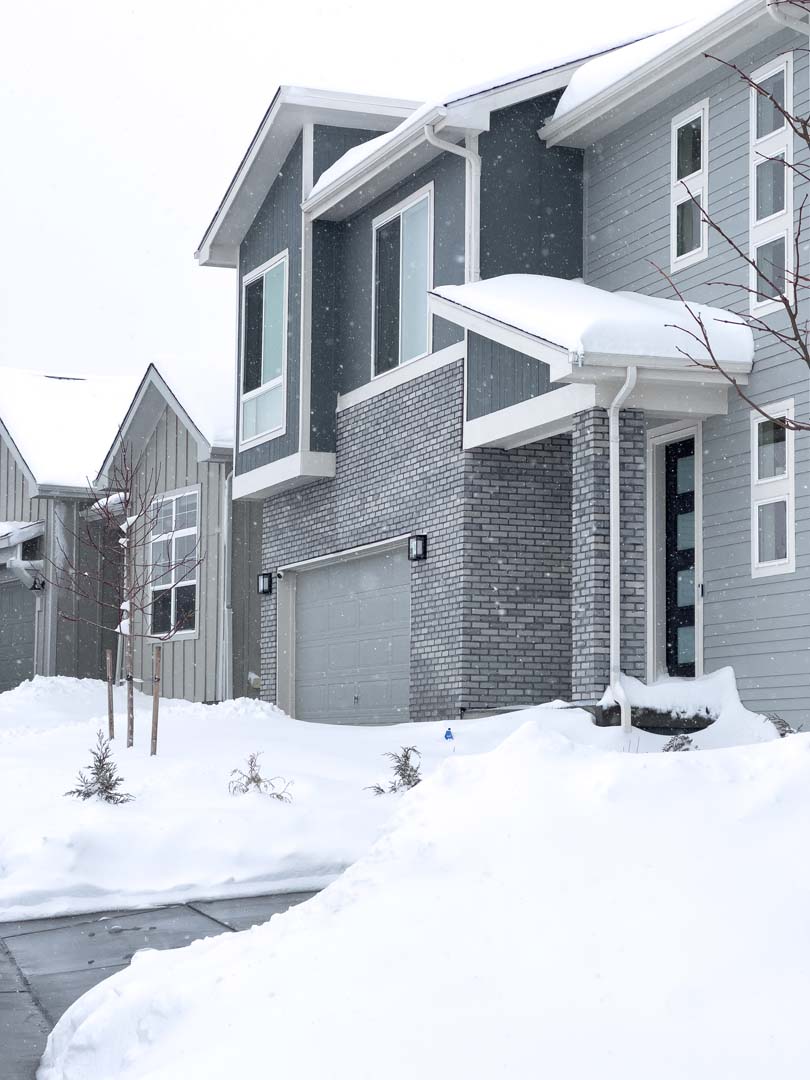
Snow, often seen as a hindrance, can actually benefit solar production by reflecting sunlight and increasing panel exposure. Additionally, any excess energy generated during the brighter summer months can offset usage in the winter through Oregon’s net metering programs. A well-designed solar system accounts for these seasonal fluctuations, ensuring energy reliability and cost savings throughout the year.

The Truth About Solar in Oregon

Solar power thrives in Oregon, proving that the Pacific Northwest’s unique climate is no barrier to clean energy adoption. With cutting-edge technology, tailored incentive programs, and the ability to generate power even in diffused sunlight, solar is a practical and reliable solution for Oregon homeowners.

As myths about solar are debunked, it becomes clear that investing in solar energy offers financial stability, energy independence, and environmental benefits. For Oregonians looking to save money and contribute to a sustainable future, there’s no better time to make the switch.

Learn more about Solar

There are many factors to consider when making a large financial decision like an investment in a residential solar system. Explore the nuance and variety of how solar can be an optimal solutions in many circumstances, even with regard to location, climate, and the specifics of your home.

Common Concerns
Systems and Performance
Environmental Impacts